Ultimate Guide to Work Lights: Types, Features & How to Choose the Right LED Work Light
What Is a Work Light?
A work light is a portable or fixed lighting device designed to provide bright, reliable illumination for professional tasks, emergency situations, and temporary work environments. Unlike household lighting, work lights are built for durability, flexibility, and high visibility in demanding conditions such as construction sites, roadside repairs, outdoor maintenance, and power outages.
Work lights are commonly used by construction workers, emergency responders, mechanics, and outdoor professionals who need dependable lighting in low-light or unpredictable environments.
Why Work Lights Matter
Proper lighting is essential for safety, efficiency, and accuracy during work. Insufficient illumination increases the risk of accidents, mistakes, and fatigue. A high-quality work light helps:
-
Improve visibility in dark or poorly lit environments
-
Reduce workplace accidents and safety risks
-
Enable hands-free operation for complex tasks
-
Support continuous work during night shifts or emergencies
For both professionals and individuals, work lights are an essential tool rather than a convenience.
Common Types of Work Lights
Portable Work Lights
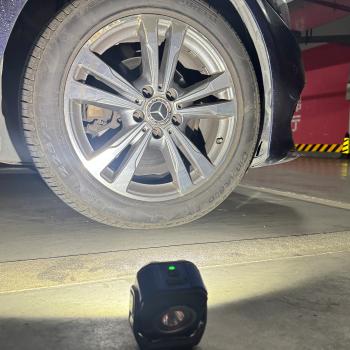
Portable work lights are compact, lightweight, and easy to carry. They are ideal for mobile tasks such as vehicle repair, camping, and emergency use. Many models include rechargeable batteries and magnetic or hook mounting options.
Telescopic Work Lights
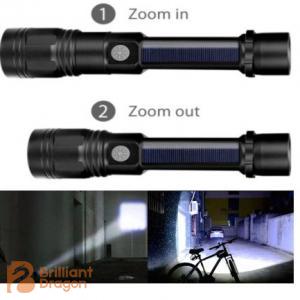
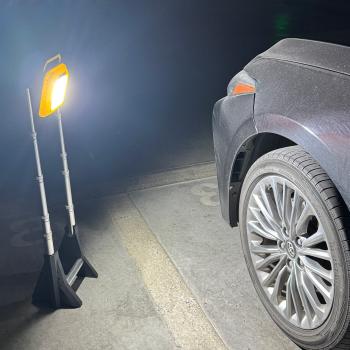
Telescopic work lights feature adjustable height designs that allow wide-area illumination without external stands. They are commonly used on construction sites and large work areas where stable, elevated lighting is required.
Emergency Work Lights
Emergency work lights are designed for power outages and roadside situations. These often include multiple lighting modes, long battery life, and sometimes power bank functionality for charging mobile devices.
Magnetic and Hanging Work Lights
These lights are equipped with magnets, hooks, or brackets for hands-free operation. They are especially useful in workshops, garages, and vehicle maintenance environments.
Key Features to Look for in a Work Light
Brightness and Light Source
Brightness is typically measured in lumens. High-lumen output is suitable for large work areas, while lower output works well for close-range tasks. Modern work lights often use COB or SMD LED technology for efficient and even illumination.
Battery Capacity and Runtime
Rechargeable work lights commonly use lithium-ion batteries. Battery capacity directly affects runtime, which can range from a few hours to extended operation depending on the lighting mode.
Mounting Options
Magnetic bases, hooks, screw holes, and adjustable stands allow flexible placement. Hands-free mounting is critical for improving work efficiency and safety.
Durability and Weather Resistance
Work lights are frequently used outdoors or in harsh conditions. IP-rated water and dust resistance ensures reliable performance in rain, dust, or job site environments.
Power Bank Function
Some work lights include USB output ports, allowing them to function as power banks for charging phones or other devices during emergencies.
How to Choose the Right Work Light
Choosing the right work light depends on your specific application:
-
For construction and large areas: Choose high-lumen, telescopic, or wide-beam work lights
-
For vehicle repair and workshops: Magnetic or hook-mounted lights offer hands-free convenience
-
For emergencies and outdoor use: Look for rechargeable models with long battery life and waterproof ratings
-
For mobile professionals: Lightweight, portable designs with Type-C charging are ideal
Understanding your working environment and lighting needs is key to making the right choice.
How Work Lights Improve Safety and Efficiency
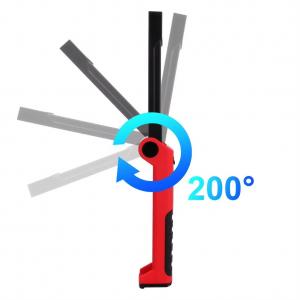
Work lights enhance visibility, reduce shadows, and help workers maintain focus on tasks. Adjustable lighting angles and multiple modes allow users to adapt lighting conditions quickly, improving accuracy and reducing downtime. In emergency scenarios, work lights also serve as a critical safety tool by illuminating hazards and providing backup power when needed.
Frequently Asked Questions About Work Lights
Q: Are LED work lights better than traditional lights?
A: Yes, LED work lights are more energy-efficient, durable, and provide brighter illumination with longer lifespan compared to traditional lighting.
Q: Can work lights be used outdoors?
A: Most professional work lights are designed for outdoor use and feature water-resistant housings. Always check the IP rating before use.
Q: How long do rechargeable work lights last on a full charge?
A: Runtime depends on battery capacity and brightness mode, typically ranging from several hours to extended use.
Q: Do work lights require special maintenance?
A: Minimal maintenance is required. Regular charging and keeping the light clean will ensure optimal performance.
Final Thoughts
Work lights are essential tools for professionals, emergency responders, and everyday users who need reliable lighting in challenging conditions. By understanding different types, features, and applications, users can select the most suitable work light for safety, efficiency, and long-term performance.