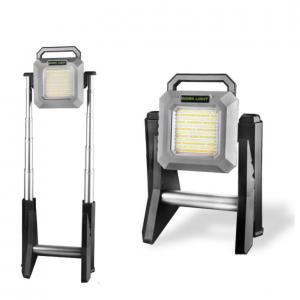

3 Hidden Facts About Professional Work Lights: Brightness, Magnets & Optical Design Explained
Work Light Hidden Facts: The Professional Technology You Didn’t Notice
Most people think a work light is just a simple tool that lights up your workspace.
But behind every high-quality professional work light, there are surprising engineering details that directly affect safety, durability, and lighting performance.
Today, let’s explore three lesser-known “hidden facts” that show why a truly professional work light is much more advanced than it looks.
1. The Magnet in Your Work Light Is More Professional Than You Think
Many assume the magnet on the back of a work light is just a standard metal magnet.
In reality, professional work lights use a neodymium magnet (rare-earth magnet) — one of the strongest permanent magnets in the world.
Why neodymium?
-
10× stronger than regular ferrite magnets
-
Instant & firm attachment to vehicle surfaces
-
Reduced risk of slipping or falling during vibration
-
Smaller, thinner, lighter designs without sacrificing strength
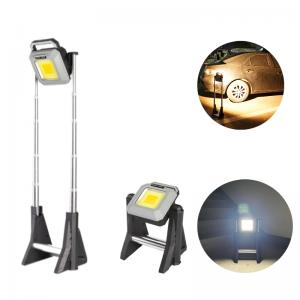
This is why when you place a work light onto a car body or workshop surface, it sticks with a satisfying “snap.”
A stronger magnet isn’t just convenience — it’s safety. During automotive repair, roadside emergencies or industrial tasks, a falling light could cause serious danger.
2. Higher Brightness Isn’t Always Better — Efficiency Matters More
Many consumers judge a work light based solely on lumens.
But higher lumens do not always mean better performance.
Without proper thermal and power management, very high brightness can cause:
-
Shortened LED lifespan due to overheating
-
Rapid battery drain
-
Heating of the housing, making handheld use uncomfortable
-
Brightness drop over time as the unit overheats
This is why true professional-grade work lights focus on efficiency (lm/W) instead of simply pushing more lumens.
A high-efficiency work light is designed to:
-
Deliver stable brightness
-
Maintain safe temperature
-
Maximize battery runtime
-
Offer long-term durability
Better light is not about being blindly bright — it’s about being efficient, stable and comfortable to use.
3. What You Think Is “Brightness” Is Actually Smart Optical Design
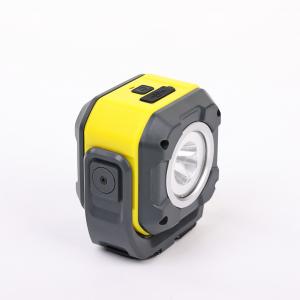
A compact work light that feels surprisingly bright usually gets that effect from excellent optical engineering, not raw power.
Several elements shape the final lighting performance:
-
Reflector design – controls beam distance and focus
-
Lens structure – improves clarity and uniformity
-
Diffuser panels – widen the beam and reduce glare
-
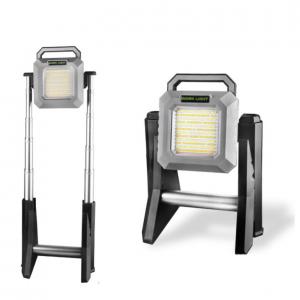
COB layout & spacing – creates a smooth, shadow-free light zone
Good optical design allows a light to:
-
Shine farther
-
Cover a wider area
-
Deliver soft, even lighting that doesn’t strain your eyes
In professional lighting, brightness is just one part — how the light is shaped is what really defines quality.
Conclusion: A Small Work Light with Real Engineering Inside
Behind the simple appearance of a work light, you’ll find:
-
Strong neodymium magnetic mounting
-
High-efficiency light output, not just high lumens
-
Advanced optical design that shapes safe, useful light
Whether you use work lights for automotive repair, roadside emergencies, workshops or outdoor tasks, these hidden facts can help you choose a truly professional and reliable product.